The Transformative Impact of Blockchain in Real Estate
Table of contents (4)
In the digital age, the quest for efficiency, transparency, and security in transactions has led industries to embrace groundbreaking technologies. One of the most exciting developments here is blockchain technology—best known for its role in powering digital currencies like Bitcoin. This technology introduced a decentralized ledger system, enabling secure, transparent, and swift transactions.
Considering the changes blockchain technology has brought to financial services, it has become a pivotal force across various sectors. Among these sectors, the real estate industry emerges as a notable beneficiary. This sector, vital to the global economy and individual wealth, is experiencing a significant shift as blockchain introduces new ways to manage property transactions, ownership, and investment.
Understanding Blockchain Technology
At its core, blockchain is a type of distributed ledger technology (DLT) that records transactions across multiple computers in a way that ensures security, transparency, and immutability. Here’s a breakdown of the key concepts:
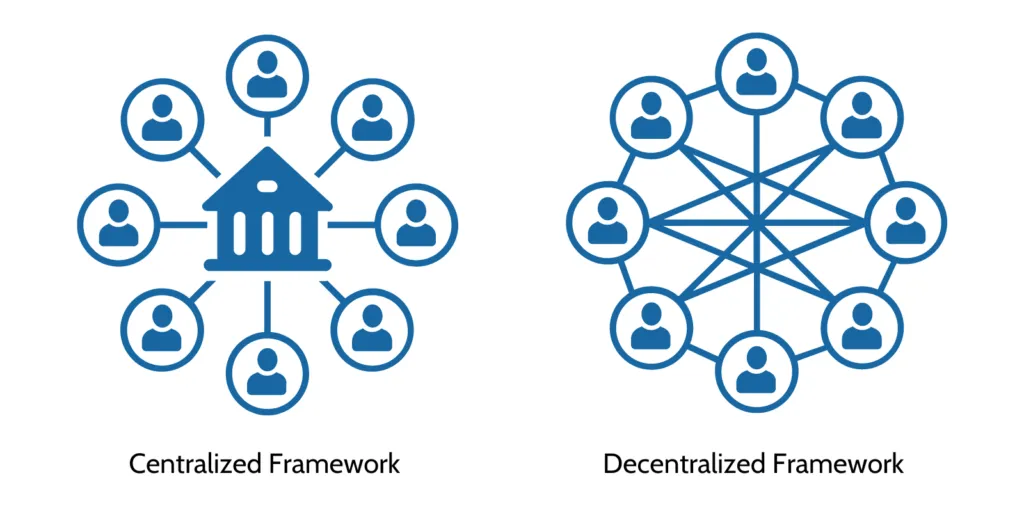
- Decentralization: Unlike traditional ledgers or databases that are controlled by a central authority like a bank or government agency, a blockchain is decentralized. This means it is distributed across a network of computers, often referred to as nodes. Each participant on the network has a copy of the ledger, altering its records therefore is technically and economically hard to achieve as it requires consensus from the majority of participants.
-
Transparency: Every transaction on a public blockchain is visible to all participants and recorded in a way that prevents easy altering or deletion. This transparency helps build trust among users, as everyone can verify a blockchain’s transaction history. Personal privacy is still guaranteed as no sensitive user data such as names or places of residence are revealed.
-
Security: Transactions are grouped together with other transactions in a block. Each block is linked to the previous one, creating a chain of blocks – hence the name “blockchain”. This structure, along with consensus protocols, makes it extremely difficult for adversaries to manipulate the data. To alter a single block, an attacker would need to change every subsequent block across all copies of the ledger, which is computationally and therefore economically unattractive.
-
Immutability: Once a transaction is recorded on the blockchain, it’s very hard to change or remove it. This permanence ensures the integrity of the transaction history, making blockchain an ideal platform for recording not just cryptocurrency transactions but any data that requires tamper-proof documentation.
-
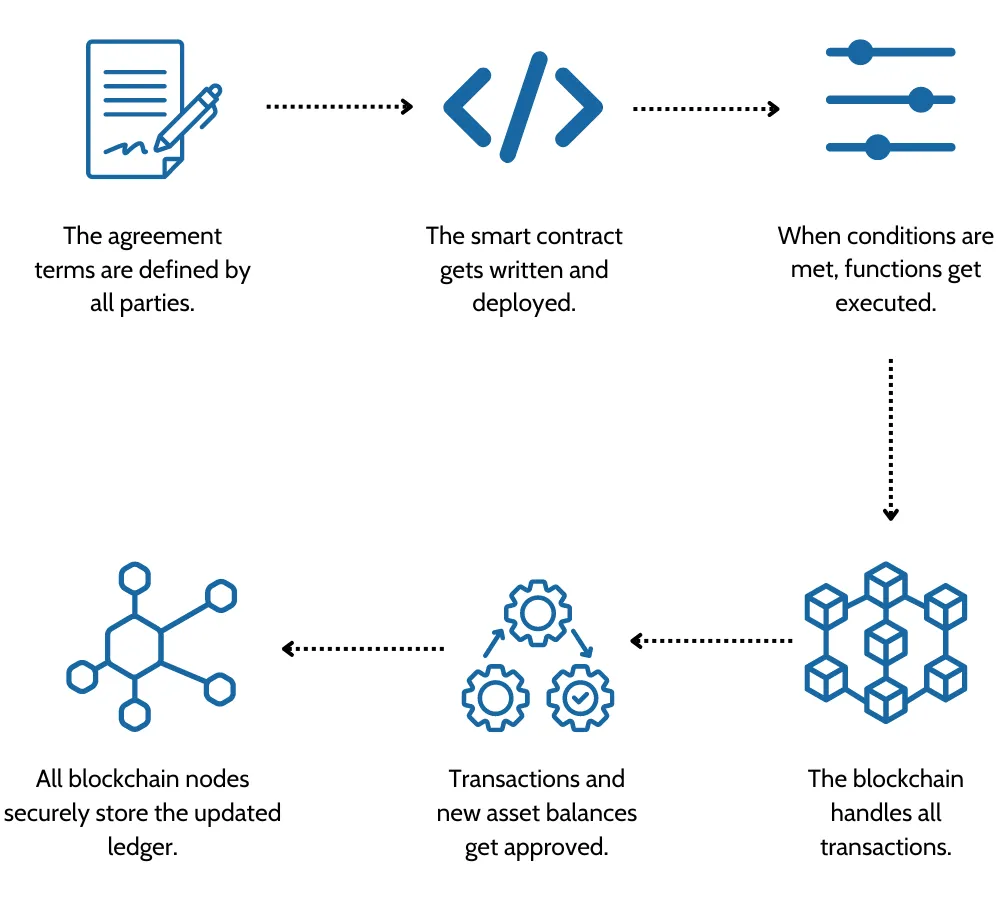
Smart Contracts: One of the most revolutionary concepts enabled by blockchain technology are smart contracts, which are self-executing agreements with the terms directly written into code. These contracts automatically enforce and execute the terms of agreement as conditions are met, without the need for intermediaries. This can streamline complex processes, reduce costs, and eliminate the potential for human error or fraud.
By leveraging these features, blockchain technology can offer a more efficient, transparent, and secure way to conduct transactions, verify ownership, and manage property records.
Current Challenges in Real Estate Transactions
The real estate industry, despite its significance to the global economy, faces numerous challenges that can hinder its efficiency and accessibility. One significant issue is the lengthy and complex process of buying or selling property, often fraught with cumbersome paperwork and bureaucratic red tape. This not only slows down transactions but also increases the risk of errors and discrepancies.
Additionally, the current systems for recording property ownership and history can be opaque, making it difficult for buyers to access comprehensive and trustworthy information. Fraud and manipulation remain persistent concerns, with the potential for forged documents and fraudulent claims to property ownership. The reliance on intermediaries, such as lawyers and real estate agents, introduces additional layers of complexity and cost, further complicating transactions.
Moreover, the accessibility of real estate investment is limited for many, with high entry barriers preventing a broader spectrum of individuals from participating in the market. These challenges collectively underscore the urgent need for a transformative approach to real estate transactions, one that can offer greater efficiency, security, and accessibility.
Role of Blockchain in Real Estate Transformation
Blockchain technology presents a promising solution to many of these challenges, offering the potential to transform the real estate industry in several ways:
- Streamlining Transactions: By leveraging smart contracts, blockchains can automate many of the steps involved in buying and selling property, from verifying identities and financial solvency to ensuring regulatory compliance. This automation can significantly reduce the time and cost associated with real estate transactions.
-
Enhancing Transparency: With a distributed ledger, all transactions and property records can be stored securely and transparently on the blockchain. This visibility ensures that all parties have access to accurate and up-to-date information, reducing the risk of fraud and building trust in the system.
-
Reducing Costs: By cutting out intermediaries and automating processes, blockchain can lower the transaction costs associated with real estate dealings. This reduction in fees can make property transactions more affordable and accessible.
-
Preventing Fraud and Errors: The immutability of blockchain records means that once a transaction is logged, it’s very unlikely that it will ever be altered. This permanence helps prevent fraud and reduces the risk of errors in property documentation.
-
Democratizing Investment: Blockchains enable the tokenization of real world assets, where property ownership gets digitally reflected in the form of cryptocurrencies that can be traded on the blockchain. This process lowers the barrier to entry for investors, allowing more people to invest in real estate with smaller amounts of capital.
As the technology continues to evolve, its role in reshaping the real estate industry becomes increasingly clear, heralding a new era of innovation and accessibility. Its evolution and adoption will significantly streamline property transactions, making them more secure and inclusive for all parties involved.
The Future of Real Estate with Blockchain
The integration of blockchain technology into the real estate sector promises a future where transactions are faster, more transparent, and accessible to a broader audience. As we look ahead, the potential for blockchain to further innovate and transform real estate is vast. We can anticipate a shift towards more decentralized marketplaces, where buyers and sellers can interact directly without the need for traditional intermediaries. This could democratize access to real estate investment, opening up opportunities for investors with limited capital and changing the landscape of property ownership.
Furthermore, blockchains can enhance the liquidity of real estate assets through tokenization, allowing property to be divided into smaller and more tradable units. This process could increase the general flexibility and attractiveness of real estate investment, enabling investors to buy shares in properties with less capital and exit their investments more easily. In addition, the real-world application of smart contracts is increasing at a rapid pace, automating complex aspects of real estate transaction processes, such as escrow services, thus reducing the time and cost associated with buying and selling property.
The future of real estate with blockchain also points towards improved regulatory compliance and reduced fraud. By providing a transparent and immutable record of property ownership and transaction history, blockchain can help ensure that all parties comply with local laws and regulations, making the real estate market safer and more reliable.
It’s crucial to stay updated in the rapidly evolving field of blockchain technology and its impact on real estate. Explore the potential of blockchain across various sectors and be ready to seize new opportunities as they arise.